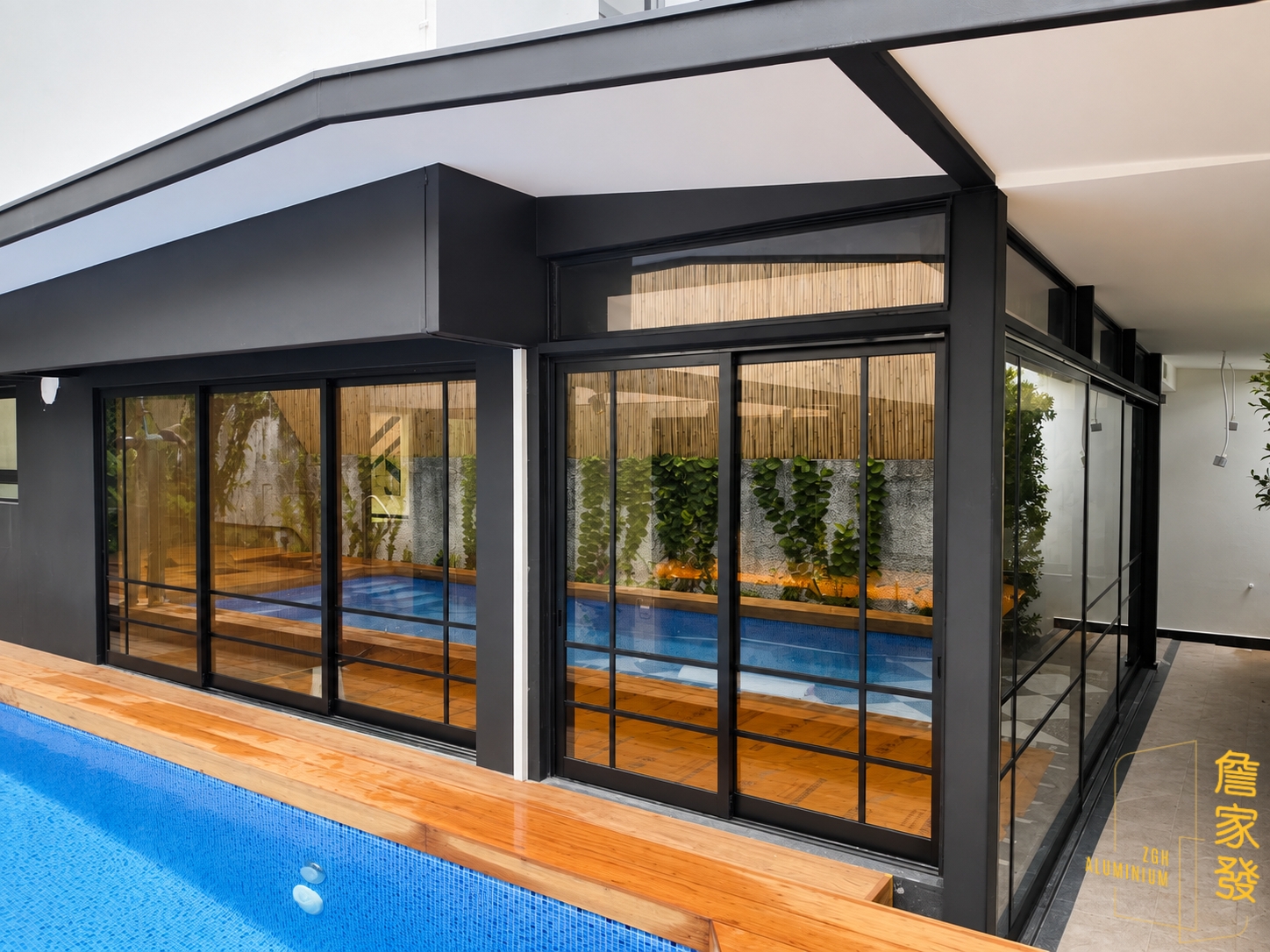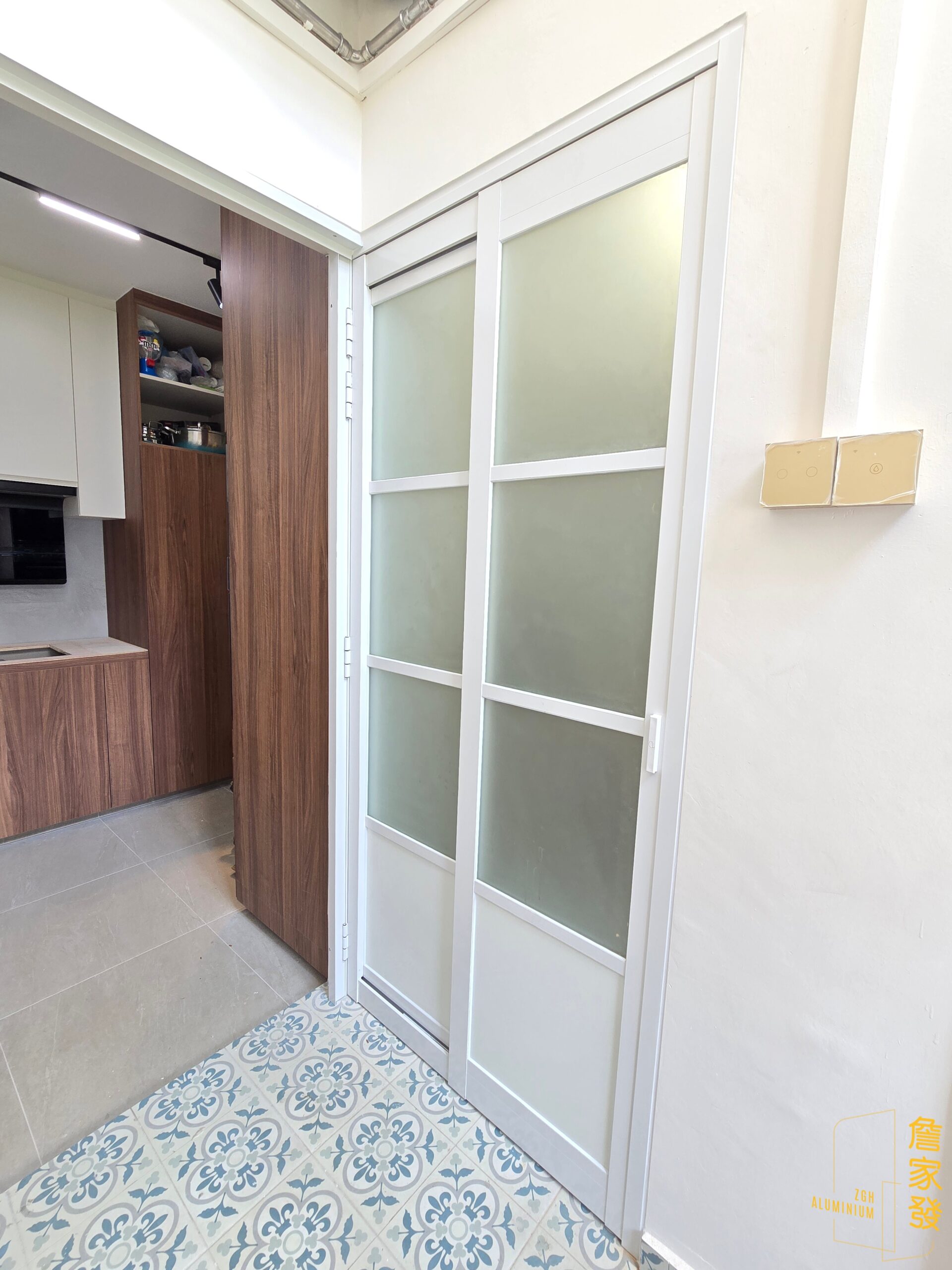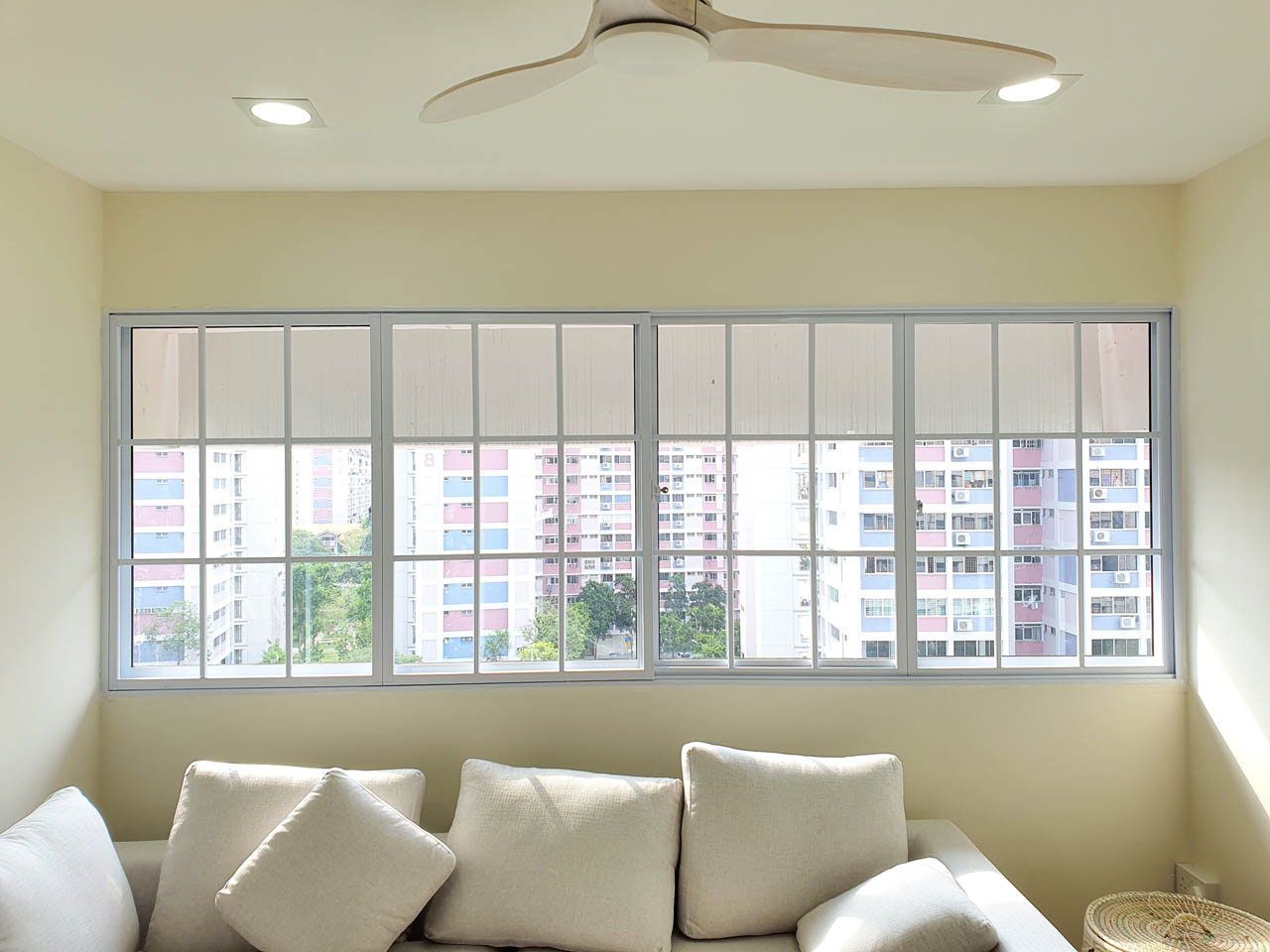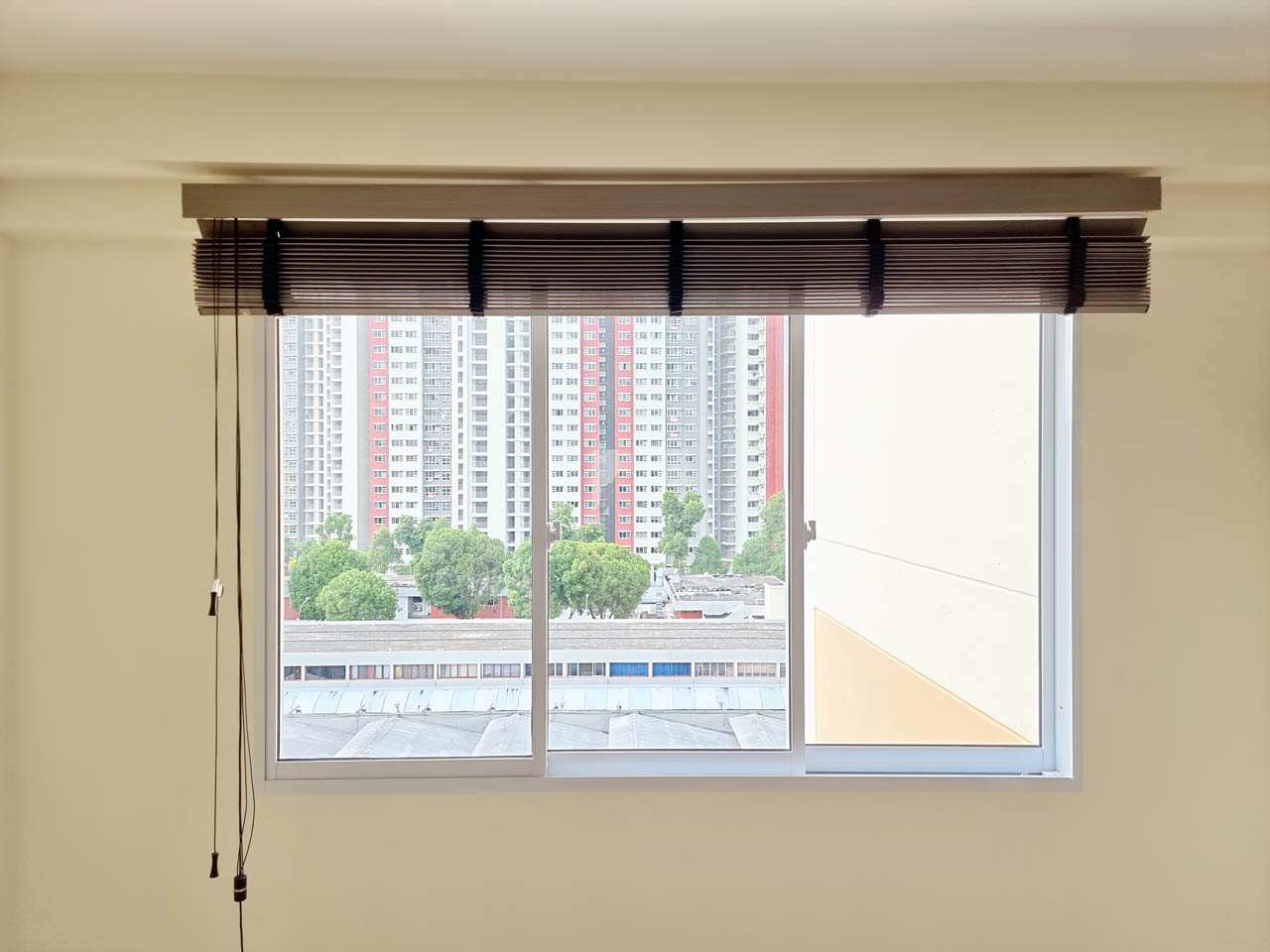
When comparing a sliding window vs casement window, sliding windows are better for compact spaces because they do not swing outward. Casement windows open fully and generally provide better ventilation and sound insulation. The right type of window depends on your room layout, budget, airflow needs and maintenance preferences.
Sliding Window vs Casement Window at a Glance
| Feature | Sliding Window | Casement Window |
| Opening style | Slides horizontally | Swings outward |
| Space needed | Minimal | Requires outdoor clearance |
| Ventilation | Partial opening | Can open at a 90° Angle |
| Maintenance | Tracks and rollers | Hinges and handles |
| Sound insulation | Moderate | Better than sliding windows |
| Best for | Service yards and compact spaces | Bedrooms and Study Room |
What Is a Sliding Window?
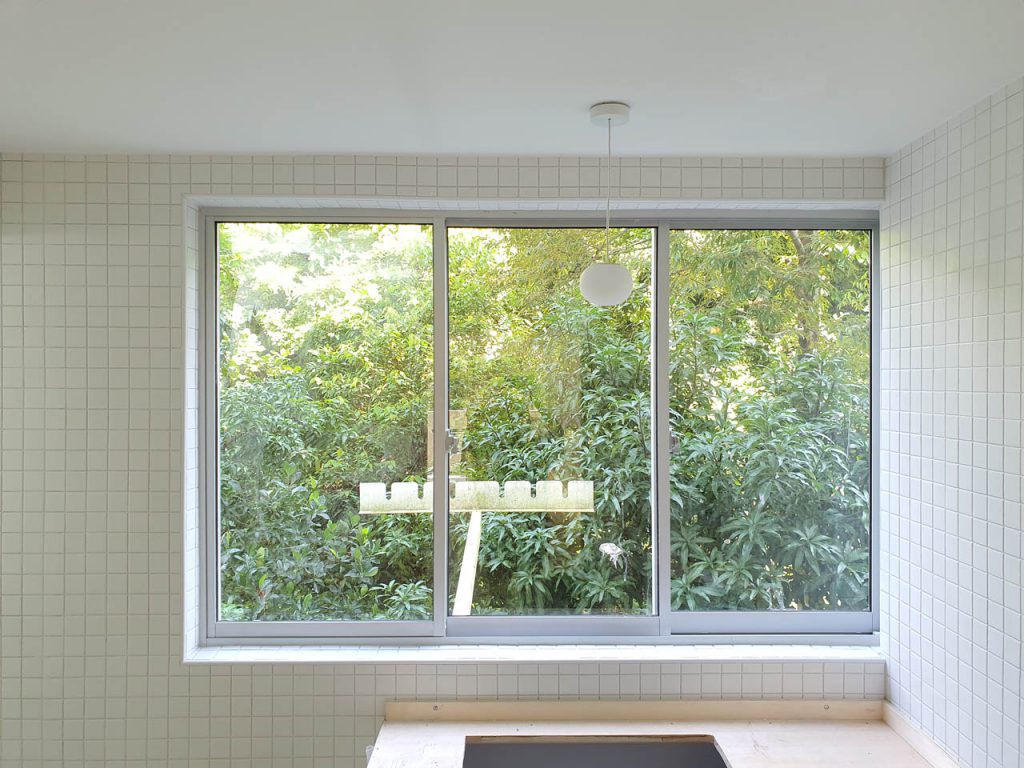
Sliding windows open by moving one or more panels horizontally along a track. The panels stay within the window frame, so they do not require extra space inside or outside the home.
Advantages of Sliding Windows
Space-saving: Sliding windows do not swing outward, making them suitable for compact areas such as service yard, kitchen and corridor.
Easy to operate: The panels can be opened and closed by sliding them from side to side.
More affordable: Sliding windows often use a simple track and roller system, lesser hardware as compared to casement windows.
Disadvantages of Sliding Windows
Limited ventilation: Sliding windows cannot be fully opened because only one side can be opened at a time
Track maintenance: Dust and debris can collect in the tracks, making the panels harder to move. Older rollers may become worn or misaligned over time.
Less sound insulation: Small gaps around the moving panels may allow more outside noise to enter.
What Is a Casement Window?
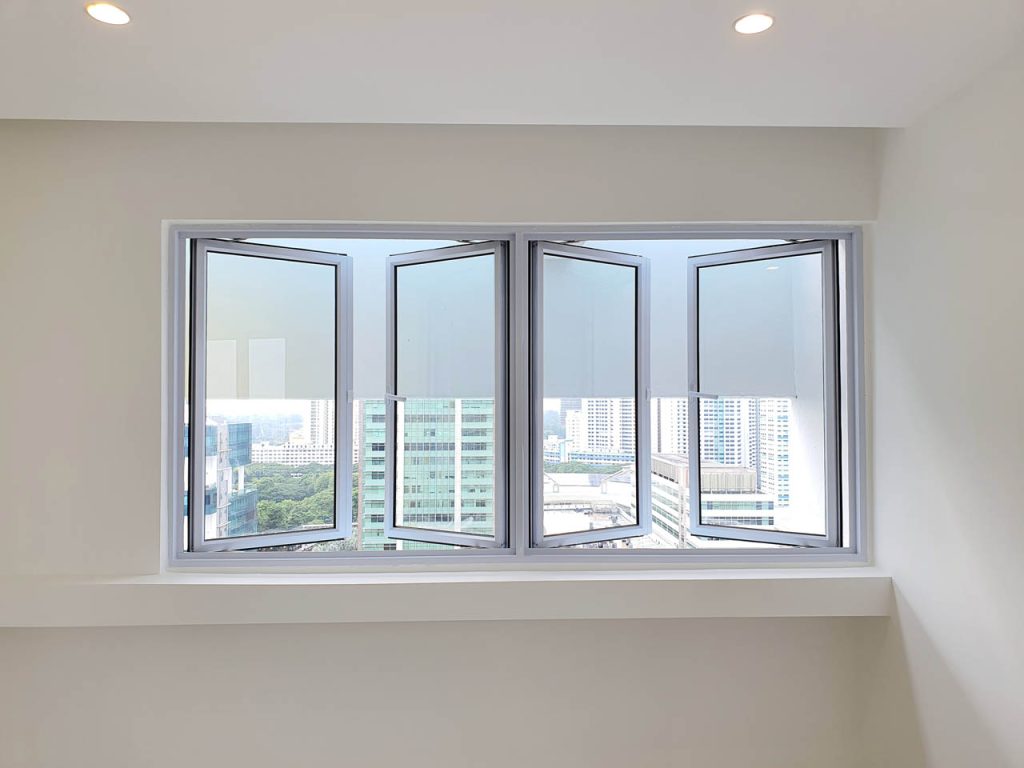
Casement windows are attached to the frame with side hinges. The panels swing outward and are operated using handles, locks and window hinges. They are commonly used in bedrooms and living rooms where homeowners want stronger airflow and tighter sealing.
Advantages of Casement Windows
Better ventilation: Casement windows open outward and can be fully opened as compared to sliding windows.
Tighter sealing: When closed, the panel presses against the window frame, which can improve protection against rain and outdoor noise.
Better sound insulation: Casement windows often provide better sound insulation because of their tighter seals.
Disadvantages of Casement Windows
Requires clearance: The panels need enough outdoor space to swing outward.
More hardware: Hinges, handles, screws and rubber seals require regular checks.
More Expensive: Casement windows may have a higher price because they use more hardware and individual opening panels.
Sliding vs Casement Window Cost
Sliding windows are often more affordable because they use a simple track and roller system. Casement windows may cost more because they require hinges, locks, handles and tighter seals.
However, the final cost also depends on window size, number of panels, glass thickness and colour. A site measurement is usually needed before an accurate quotation can be provided.
Which Window Should You Choose?
Choose a sliding window if you want:
- A space-saving design
- Simple for daily usage
- More affordable option
- No outward-swinging panels
Choose a casement window if you want:
- Stronger ventilation
- A wider opening
- Better weather sealing
- Improved sound insulation
Some homeowners prefer using both sliding and casement windows. For example, sliding windows can be installed in the service yard, while casement windows can be used in bedrooms and living rooms.
Frequently Asked Questions
What are the disadvantages of casement windows?
Casement windows require outdoor clearance. Their hinges, handles, screws and rubber seals need regular maintenance.
What are the disadvantages of sliding windows?
Sliding windows provide a smaller opening and require regular track cleaning. Worn rollers may also make the panels difficult to move.
Are sliding windows cheaper than casement windows?
Sliding windows are more affordable, but the final cost depends on the window size, glass and number of panels.
Which window provides better sound insulation?
Casement windows usually provide better sound insulation because their panels close more tightly against the window frame.
Sliding Window vs Casement Window: Final Verdict
Sliding windows are best for compact HDB spaces, kitchens and service yards because they save space and are easy to operate. Casement windows are better for homeowners who want stronger ventilation, tighter sealing and improved sound insulation.
ZGH Aluminium provides sliding and casement window installation and replacement for HDB, BTO, condo and landed homes in Singapore. Contact our team for a site visit and quotation based on your home layout and window requirements.